
You train your legs, your core, your back. But the 50-plus muscles in your face? Most of us leave them to chance. Face fitness is the idea that these muscles deserve a workout too, and that a few minutes a day, done well, is a natural, non-invasive way to take an active role in how your face ages.
At Rebel Skin we call it rebelling against gravity: not fighting time, just refusing to be helpless against it.
How face fitness works
Unlike most muscles, facial muscles attach to the skin as well as the bone. Every smile, frown and squint moves the skin above them. Over years, some of those muscles stay short and tense (think the frown line between your brows), while others lose tone. Face fitness works on both sides:
- Tone the muscles that support the face, such as the cheek elevators under the cheekbone.
- Release the muscles that hold tension, such as the corrugator between the brows, the muscles at the corners of the mouth, and the jaw muscles you clench when you are stressed.
- Anchor the skin with your fingertips so the muscle moves while the skin stays flat, which is our golden rule for every exercise.
What does the research say?
Honest answer: it is early. A small pilot study published in JAMA Dermatology in 2018 explored a 20-week facial exercise programme and reported encouraging changes in cheek fullness. It was small and preliminary, and it does not prove that any one exercise will give you a specific result. We would rather tell you that than promise a miracle. What we can say is that the exercises train the muscles you use when you smile, frown and chew, that they are free, and that many people enjoy the ritual and the mindful time it brings.
What a session looks like
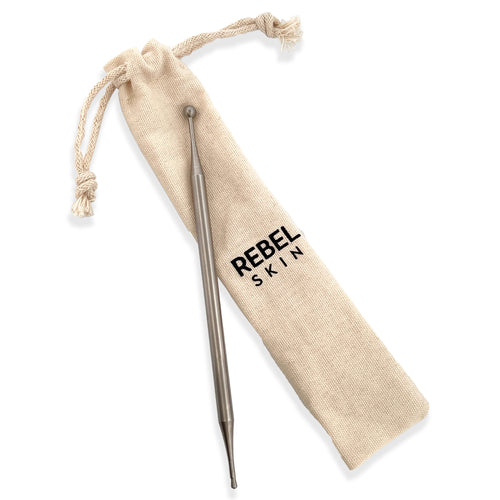
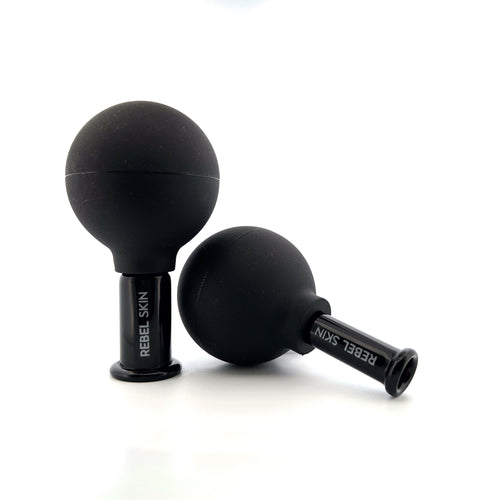
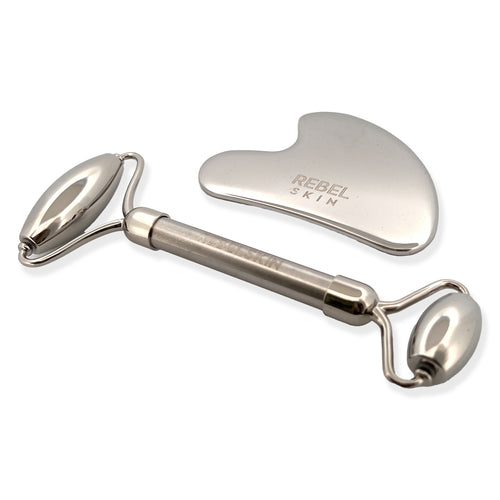
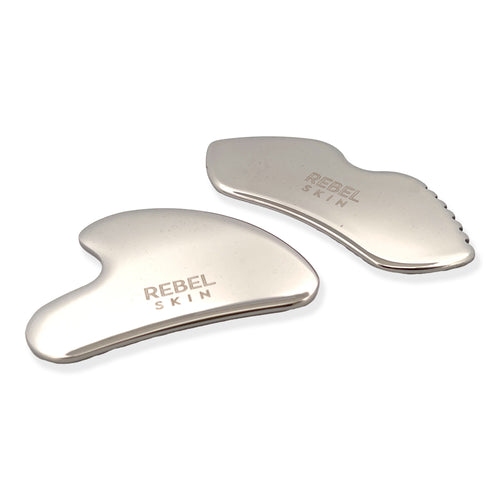
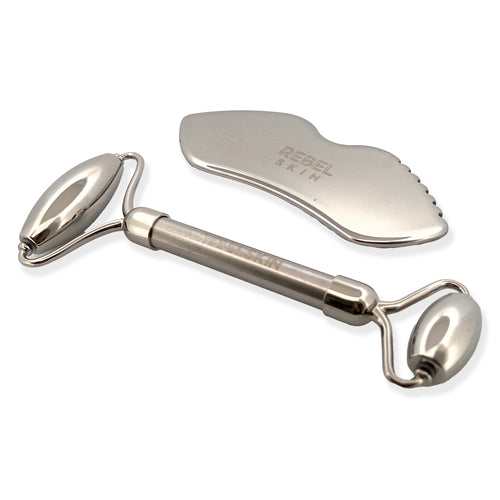
Most routines last 3 to 5 minutes. A typical session is three to five movements, each held for about 5 to 10 seconds with a short rest, repeated a handful of times. You do not need equipment, although tools like a gua sha or facial cups make a lovely finish (more on that in our tool guide).
The four zones of the face
- Upper face: forehead, brows and eyes.
- Mid face: cheeks and the muscles around the nose and smile line.
- Lower face: mouth corners, lips, chin and jaw.
- Neck: the platysma and the muscles that support the jawline.
Pick one zone to focus on, or alternate two across the week. Rest days are part of the plan, just as in any workout.
How to start this week
- Choose three minutes at the same time each day, for example while your coffee brews.
- Start with our 5-minute starter routine.
- Take a front-facing photo in natural light today, then again in four weeks, so you can see your own progress.
- Be patient. Muscles respond to consistency, not intensity.
The takeaway: face fitness is simple, free and in your hands. Start small, anchor your skin, and keep showing up.
Keep pressure light around the eyes and mouth. Stop if your jaw clicks, locks or hurts, or if a neck movement makes you dizzy. Skip resistance work on any area treated with botulinum toxin in the last six months, and check with your doctor or dermatologist first if you have an active skin condition, jaw-joint pain, facial nerve problems, or recent facial surgery or injectables. Face fitness is a wellness practice, not medical advice.